A Podcast Worth Listening: The Meniere’s Puzzle Podcast

I would like to share with my readers a podcast for us Meniere’s warriors and the people who love us.

Kelly Jo McDonnell hosts The Meniere’s Puzzle Podcast, which can be heard on Spotify and other channels listed on the podcast’s homepage.

Episode Five is the latest, featuring Dr. Tyler Hanson discussing chiropractor care options for Ménière’s disease patients. Give it and previous episodes a listen; it is quite an educational podcast.

The Vestibular System and Sensory Overload

The vestibular system includes parts of the inner ear and brain that process information in the brain controlling balance and eye movement. The vestibular system sends signals to the vestibular nerve, which joins the cochlear nerve and carries electrical signals to the brain.

Vestibular disorders often result from disease, injury, aging, autoimmune disorders, allergies, genetic, environmental conditions, or have unknown origins.

Vestibular disorders are often common in:

Benign paroxysmal positional vertigo (BPPV)
Labyrinthitis (vestibular neuritis)
Meniere’s disease
Secondary endolymphatic hydrops

Vestibular disorders include superior semicircular canal dehiscence, acoustic neuroma, perilymph fistula, ototoxicity, enlarged vestibular aqueduct, migraine-associated vertigo, and mal de débarquement.

Vertigo, hearing loss, tinnitus and ear fullness are all part of those who deal with Meniere’s. Increased pressure caused by abnormally large amounts of fluid in the inner ear impact the vestibular system, resulting in symptoms such as balance problems, lightheadedness, motion sickness, nausea/vomiting, tinnitus, feelings of ear fullness, and headache. Many Meniere’s patients have also experienced drop attacks and “brain fog” (forgetfulness, disorientation, and confusion/sensory overload).

Drop attacks are sudden falls (also known as Tumarkin’s otolithic crisis) that occur while standing or walking followed by complete recovery within seconds or minutes. The person has sensations of falling or being tilted despite actually standing straight. Drop attacks happen without warning and resulting falls can cause physical injury.

Those dealing with a vestibular disorder rely on information from their eyes and sensors in the body. Something innocuous as repetitive floor or wall patterns and high/narrow aisles in stores restrict our wide field of vision. The latter results in complex visual environments which overload balance systems. Optimal conditions for the balance system is taking visual cues from close by situations, but when complex depth perception is utilized more than usual, symptoms such as dizziness and blurred vision happen.

Long corridors, looking down from heights, glass/reflective walls, brick patterns, black and white tiles, zig-zags, stripes, or swirls on carpet can also cause overload (For example, I can’t watch anything involving spinning or looping movements such as roller coasters, even on television!).

Dizziness also results from overexposure to busy and moving environments. Crowded places, physical activity, smells, high volumes of traffic, and speed of a conveyor belt are only a few examples. Discomfort from unexpected loud noises, especially for those who wear hearing aids, and Meniere’s patients result in oversensitivity to sounds which may not bother others but are unpleasantly loud and intolerable to us. This is known as hyperacusis.

Stable lighting is important to those with vestibular disorders. Have you ever experienced unbalanced feelings, headaches, or vertigo after being in a room with flickering or flashing lights, prolonged focus on computer/TV/ phone screens, oncoming vehicle headlights or places with fluorescent lighting? These happen because our brains have limited capacities for specific amounts of change it can attend to at a time and co-ordinate balance. Lighting changes often cause dizziness and unsteadiness in those with vestibular disorders.

What are your experiences with sensory overload? Do doctors understand this aspect of Meniere’s disease? Leave a comment with your opinions!

What Is Sensorineural Hearing Loss?

Those who battle Meniere’s on a regular basis are already aware that fluctuating hearing loss is only part of our illness. However, the recent discussion topic in some groups of which I am a member has been sensorineural hearing loss (SNHL).

Sensorineural hearing loss is caused by damage to the inner ear (or nerve from the ear to the brain).There are more than 200,000 cases of SNHL diagnosed each year in the United States. SNHL is a chronic condition that can last years or even a lifetime; it is a treatable condition but – like Meniere’s – incurable.

Causes of sensorineural hearing loss:

Illnesses

Meningitis
Mumps
Cytomegalovirus
Chickenpox

Drugs toxic to hearing (drug list from University of Michigan Medicine Health Library )

Aspirin in high doses
NSAIDs
Antibiotics such as neomycin
Diuretics such as furosemide (Lasix) or bumetanide (Bumex)
Medicines used to treat cancer, including cyclophosphamide, cisplatin, and bleomycin

Wax

Buildup of earwax (cerumen) can result in SSNL; be sure to clean ears regularly to avoid buildup. There are some good earwax removal products available over the counter. Also avoid the common mistake of using cotton swabs to clean out the ears.

Tumor

Acoustic neuroma (vestibular schwannoma) is a benign tumor developing on balance (vestibular) and hearing or auditory (cochlear) nerves leading from inner ear to the brain.

Hearing loss in the family

Examples of hereditary hearing loss are otosclerosis, Usher’s syndrome and Pendred syndrome.

Aging

About one-third of people in the United States between the ages of 65 and 75 have some degree of hearing loss though SNHL can also be diagnosed in younger adults and even children.

Head/neck injury (also known as post-traumatic hearing loss )

Generally, but not always, the trauma is to the vicinity of the ear. Slaps to the ear, blunt objects hitting the around the bone of the ear are particularly common. In the author’s experience, loss of consciousness is less common than retained consciousness. Falls with head contact to an unyielding surface, such as from a ladder to the floor, are more likely to be injurious than, for example, boxes falling on the head. Generally, although not always, in cases with post-traumatic dizziness or hearing loss there is signs of head injury — a skull fracture being the most obvious, but also bruises, swelling, abrasions are seen in head injuries that are associated with hearing loss or tinnitus. A perforation of the ear drum is an unequivocal sign of a significant middle ear trauma. However, most of the time, the ear drum is not perforated (Grant et al, 2008).

A problem in the inner ear

Meniere’s is only one example.

Loud noises

This is especially common among people who work in high noise situations (shooting galleries, factories, airports, mines, construction sites, etc.; those employed in these industries now wear OSHA-approved hearing protectors), listening to music at high volume – especially through ear buds or personal headphones, and exposure to high-decibel noise (e.g. rock concerts).

Treatment for sensorineural hearing loss:

Assistive devices (personal amplifiers, FM systems, infrared systems, induction loop systems, Bluetooth, TV captioning features, and caption phones )

Alerting devices (alarm clock that vibrates the bed, blinking lights when doorbell rings or a smoke alarm activates)

Hearing aids (consult audiologist to find which kind is best for you)

Cochlear implants (when hearing aids are ineffective)

Corticosteriods (used in otologic emergencies of viral origin or to reduce cochlea hair cell swelling and inflammation after exposure to loud noise)

Sensorineural hearing loss research is happening on a regular basis for effective treatments and maybe one day – a cure.

Here are only a few studies:

World’s first gene therapy trial

Study points to possible new therapy for hearing loss

Emerging Therapies for Sensorineural Hearing Loss

Treatments for hearing loss: What’s new?

While sensorineural hearing loss is permanent to the point that loud noises can sound muffled without hearing aids (or cochlear implants), the good news is those with hearing loss can still lead somewhat normal lives. The ever-changing world of modern technology has made some considerable differences; smartphones can now send signals directly to some types of hearing devices, allowing access to phone conversations with little difficulty. Proficiency in reading lips, facial expressions, body language , and other visual cues can also improve communication skills.

Sensorineural hearing loss patients no longer have to battle their condition alone. Learning the aforementioned skills and using current technologies reduces frustration, isolation, depression, and anxiety – and open up a whole new world!
“The Ears of Meniere’s” IMDB Listing and a Meniere’s-related New YouTube Channel

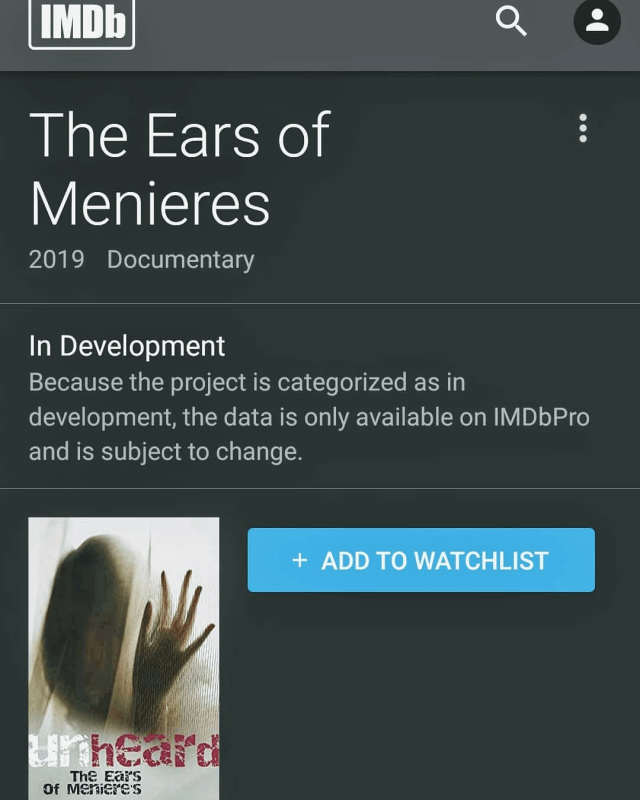
Second Chance Productions’ The Ears of Meniere’s documentary project is now officially listed on the Internet Movie Database (IMDB)!

Visit the Second Chance Productions website to learn more or make a donation for this independent production which will shine a spotlight on the little known and incurable chronic illness Meniere’s Disease.

Donations can also be made directly to Second Chapter Productions’ GoFundMePage. Some money has been raised but is still far from the goal of $75,000 needed to get this important project off the ground.

Not affiliated with the aforementioned documentary project but I wanted to also mention a fellow Meniere’s warrior Sara Accardi’s new YouTube channel which will document and educate the world about our disease. Pop over and subscribe for updates and thank Sara for her great idea!

Do Hearing Aids Help?

Two consequences of Meniere’s Disease (MD)are hearing loss and social isolation; hearing aids are designed to prevent both latter and former. MD patients are usually advised to start wearing hearing aids soon as possible and regular adjustments to hearing aids will help.

Regular hearing tests are important (I have one once a year unless other issues arise), especially those with sensorineural hearing loss (SNHL) . Your physician can refer you to an audiologist who will run the appropriate hearing tests and recommend hearing aids for your specific needs.

Some MD patients report that hearing aids have managed their Meniere’s symptoms. While hearing aids are not a cure-all, they sometimes helps with balance, dizziness, ear fullness and tinnitus. Hearing aid amplification also helps with evening out hearing balance with the “good ear.”

I can attest to the latter paragraph. I have 46 percent loss in my right ear. I wear two hearing aids to equalize hearing despite having only a 10 percent loss in my left (“good”) ear.

The Oticon Open STM is the hearing aid model I wear. Its MiniRITE style is compatible with an iPhone and features a push button to control volume and listening (great for those who have difficulty hearing through background noise!). I notice clearer hearing (even low sounds such as hummingbirds) and help with tinnitus.

More encouraging news: Hearing aids can help reduce vertigo attacks and balance issues in some cases.

Cochlear implants are also an effective option for MD patients with profound sensorineural hearing loss. Studies suggest patients with MD who have had a labyrinthectomy to control vertigo also performed well with a cochlear implant. Like hearing aids, cochlear implants aren’t an instant cure but certainly another option to consider for those with more severe hearing loss.

So do hearing aids help with Meniere’s? Consider that having only one fully functional ear results in MD patients’ reduction in the brain’s ability to post process sounds well as it does with “normal” ears. Post processing with hearing aids increases functional sound and also improve ability of understanding word sounds.

Hearing aids are expensive but some insurances may cover all or part of the costs, so be sure to check your specific insurance plan. The investment will be worth once again hearing with remarkable clarity – and sometimes help decrease distressful MD symptoms we all experience at some point!

Is Meniere’s Disease A Disability?

We who battle Meniere’s Disease (MD) on an almost regular basis already know firsthand the regular struggles faced on a regular basis. One question recently asked in one of my support groups was “Is my Meniere’s considered a disability?”

This question and a comment posted on a recent Instagram post prompted me to further research whether Meniere’s could be considered a disability.

The Social Security Administration does include Meniere’s disease in its Blue Book as a condition serious enough to qualify for disability benefits under the following criteria:

2.07 Disturbance of labyrinthine-vestibular function (including Ménière’s Disease), characterized by a history of frequent attacks of balance disturbance, tinnitus, and progressive loss of hearing.  With both A and B:

A Disturbed function of vestibular labyrinth demonstrated by caloric or other vestibular tests; and

B.  Hearing loss established by audiometry.

Good news, you are probably thinking, but actually receiving benefits is a hard road traveled.

Be aware at least 70 percent of applicants will not be approved the first time. There are likely going to be everything from endless appeals to hearings before a disability judge. The amount of time for applicants can range from months to years if they are eventually approved at all.

I’m not an expert so the only thing I advise for anyone choosing this option is to be patient and gather much documentation as possible – no matter how otherwise insignificant. I always stressed the point that sometimes having too much is better than too little. A smallest piece of information could easily turn a case into the applicant’s favor.

If you’ve already applied for benefits I wish you success; if you’re in the appeals process, don’t give up!

I also decided to do further reading on Meniere’s and the Americans With Disabilities Act (ADA). I found an interesting article in the Harvard Journal of Legislation titled, What is “Disabled?”: Ménière’s Disease and the Americans with Disabilities Act (ADA) The specific paragraphs outlined below caught my attention:

The ADA does not provide protection for “every individual with an impairment who suffers an adverse employment action.”[4] Individuals bringing suit must prove by a preponderance of evidence that they have a disability.[5] “Disabled” status is defined by statute and occurs when an individual suffers from “a physical or mental impairment that substantively limits one or more of the major life activities.”[6] Hearing, walking, and working are among the statutorily-defined major life activities that may be potentially affected by Ménière’s Disease.[7]

In order to prove a “substantial impairment,” an individual must demonstrate that the impact of the “disability” is permanent or long-term.[8] American courts often follow a long-standing rule that intermittent manifestations of disease processes are insufficient to establish a substantial limitation on a major life activity.[9]

Simply being diagnosed with Ménière’s Disease is not sufficient to warrant “disabled” status under the ADA.[10] “

In other words, Meniere’s can be tough to prove in a disability suit (e.g. Perkins v. St. Louis County Water Company,[11] ; McGuire v. Miami-Dade County.[17] ), making specific documentations and descriptions extremely important should one be convinced they were/are not legally accommodated by their employer or potential employer under ADA guidelines.

A vague description of your MD case can easily get it dismissed so something as detailed medical reports or keeping journals of your “attacks”(complete with dates, how long the attacks lasted, how it affected your duties, etc.) can work in your favor.

Meniere’s is a tricky chronic illness; therefore, keeping track of important details is a must in case issues do arise.

While few employers may be sympathetic toward workers with MD, many more are usually hard pressed to provide reasonable accommodations. I’ve heard and read many stories of MD patients whose careers were reduced or ended as results of the disease.

MD as a disability can be a shaky debate but other options are available for those who can no longer be part of the everyday “physical” workforce yet still battling to receive disability benefits.

Virtual employment is rising thanks to our current technology age. Rev.com offers some work but has been described as more of “side gigs.”

However, if you have a Facebook account, I highly recommend its Virtual Workers of America group. It’s public, free to join, and always lists legitimate virtual employment opportunities – some from well-known companies!

Comments and feedback are always welcome. I would love to hear from other MD patients who struggle in daily work life, especially those dealing with this disease longer than I have. Also, if you have any other resources to offer us fellow MDers, please feel free to post them – let’s help each other along this dizzy highway!

The Ears of Meniere’s: A disease that won’t kill you but at times you almost wish it would.

Meniere’s Disease is a beast and how we experience its symptoms may differ from day to day or sometimes less/more often.

How Meniere’s affects those who battle it each day will help Second Chapter Productions to accurately portray and simulate the symptoms in their documentary The Ears of Meniere’s.

Meniere’s is an inner ear disorder that impairs daily living leaving sufferers feeling isolated and wondering if living normal lives will ever again be possible. The symptoms outlined below gives a general idea that Meniere’s is more than feeling dizzy with ringing ears.

The Ears of Meniere’s documentary project will examine this devastating condition and give a greater understanding about what Meniere’s patients endure. As in the case of many ‘invisible’ illnesses, most people are unable to understand how a loved one or friend who looks healthy is otherwise on the inside.

Since there is a lack of Meniere’s Disease awareness and understanding, it is mostly up to patients to teach themselves, loved ones, coworkers, friends, employers and even health care professionals about this disorder and how it affects basic daily living others take for granted. The Ears of Meniere’s  aims to reach out and offer a better understanding of the disease.

The Ears of Meniere’s will go beyond just informing the public of this incapacitating disease; it will also use distinctive audio and visual effects to simulate various symptoms. The spontaneous spins of vertigo, roaring sounds of tinnitus, excessively loud distortion and dramatic hearing loss will be experienced by the audience thus creating empathy for those diagnosed. 

Like many independent film projects, The Ears of Meniere’s cannot get off the ground without proper financing. The producer is a veteran film/ television communications executive who was diagnosed with Meniere’s six years ago.

Donations to help reach Second Chapter Productions’ $125,000 goal may be made via the GoFundMe page or a tax deductible donation through their fiscal sponsor.

Want a chance to be part of this documentary? Whether you are applying for disability, seeking a job, considering surgery, participate in online support groups or facing any other challenge, fill out this form at bottom of the page.

Also be sure to upload a photo of your ear to possibly be used in the film! Make sure your image is a close up of only your ear, high resolution (at least 300 dpi, a JPEG image and titled with your name (ie. Joan Smith.jpeg). Photos not meeting the aforementioned requirements are unable to be used.

Here is my ear as an example:

For more information on Meniere’s be sure to visit Second Chapter Productions’ partner organizations:

Hearing Health Foundation

VEDA

National Institute on Deafness and Other Communication Disorders (NIDCD)

Introduction: Life After Meniere’s Diagnosis

I’ve had ear problems for many years which stemmed from an improperly treated ear infection during my early teens and eventually caused permanent damage in my right ear. I noticed hearing fluctuations in my ears every couple of days with accompanying ear fullness, tinnitus and periodic episodes of dizziness 2-3 times a week that varied in duration.

Currently my vertigo attacks are rare occurrences but had a history of unsteadiness and “drop attacks” starting in my 20s and 30s. The latter gradually decreased in frequency within the last five years. I recently fell but not seriously injured and since used a cane/walking stick when away from home to help with my balance issues. I also had to make other lifestyle changes such as reducing sodium and altogether eliminating caffeine from my diet. So far I’ve dropped almost 15 pounds!

My Meniere’s journey began when the audiologist caught an odd pattern during my annual hearing exam and asked if I had any other problems. When I explained my past history of dizziness and fainting spells, she referred me to UPMC Eye and Ear Hospital in Pittsburgh for additional workups.

The ENT didn’t rule out Meniere’s but also noted bilateral sensorineural hearing loss during my initial examination. I had an MRI done on May 30 to rule out other issues (MS, tumor, etc.). The majority of its results were negative for anything besides late-stage Meniere’s with exception of a decreased T-2 signal, which prompted me to do additional research and get a better understanding of what that meant.

Apparently the decreased T-2 signal concerned the ENT enough to recommend a second MRI be done in six months. I’m praying the whole thing is a false reading but one can never be too careful.

Like any other chronic illness, those with Meniere’s have both good and bad days. I’ve had a few recent bad days when attacks were so bad I seldom left the couch/bed for an entire day. On a positive note, I’ve recently noticed more good days and the Antivert (generic name Meclizine ) and found a wonderful support group where other patients share their ideas, struggles, and fascinating discoveries.

I presently can’t give any definite answers far as future book tours and other personal appearances are concerned. Meniere’s attacks have a way of happening any time – they can’t exactly discriminate between a relaxing day at home and a busy event, and a large amount of traveling may not help my case either.

I’ll likely have to limit doing most promotional work to virtual tours, blogs, interviews and other activities related to being an author unless medically cleared for minimal personal appearances.

Back to this blog, though. Not only will I share my current thoughts and experiences but also offer additional insights on dealing with Meniere’s. If readers have any questions or feedback, all are welcome to leave comments – just keep them clean and relevant to blog post content.

Thank you for visiting! ❤

Design a site like this with WordPress.com
Get started